xPal Private Chat App: How to Stay Private Without Data Tracking
If you use a private chat app and privacy is your greatest priority, the first question must never be about what features it has; it should be what it asks from you before you even start. Most apps require personal info, but some are designed differently, focusing on communication without collecting unnecessary data.
Choosing the right app comes down to understanding how much of your personal information is being asked for, shared, and why.
Data security is beyond preventing hacks; it is about understanding what information your apps collect and how that data is used over time. The privacy of app data often gets reduced to passwords and end-to-end encryption, but most risks come from how everyday messaging apps quietly collect and use user data.
Still questioning and debating about whether a private chat app collects data or sells is a past thing now, because nothing is free; sometimes the cost is more than money.
Open any app on your phone, whether it is social media, maps, YouTube, browsing, or shopping, and it starts working right away.
Remember something here?
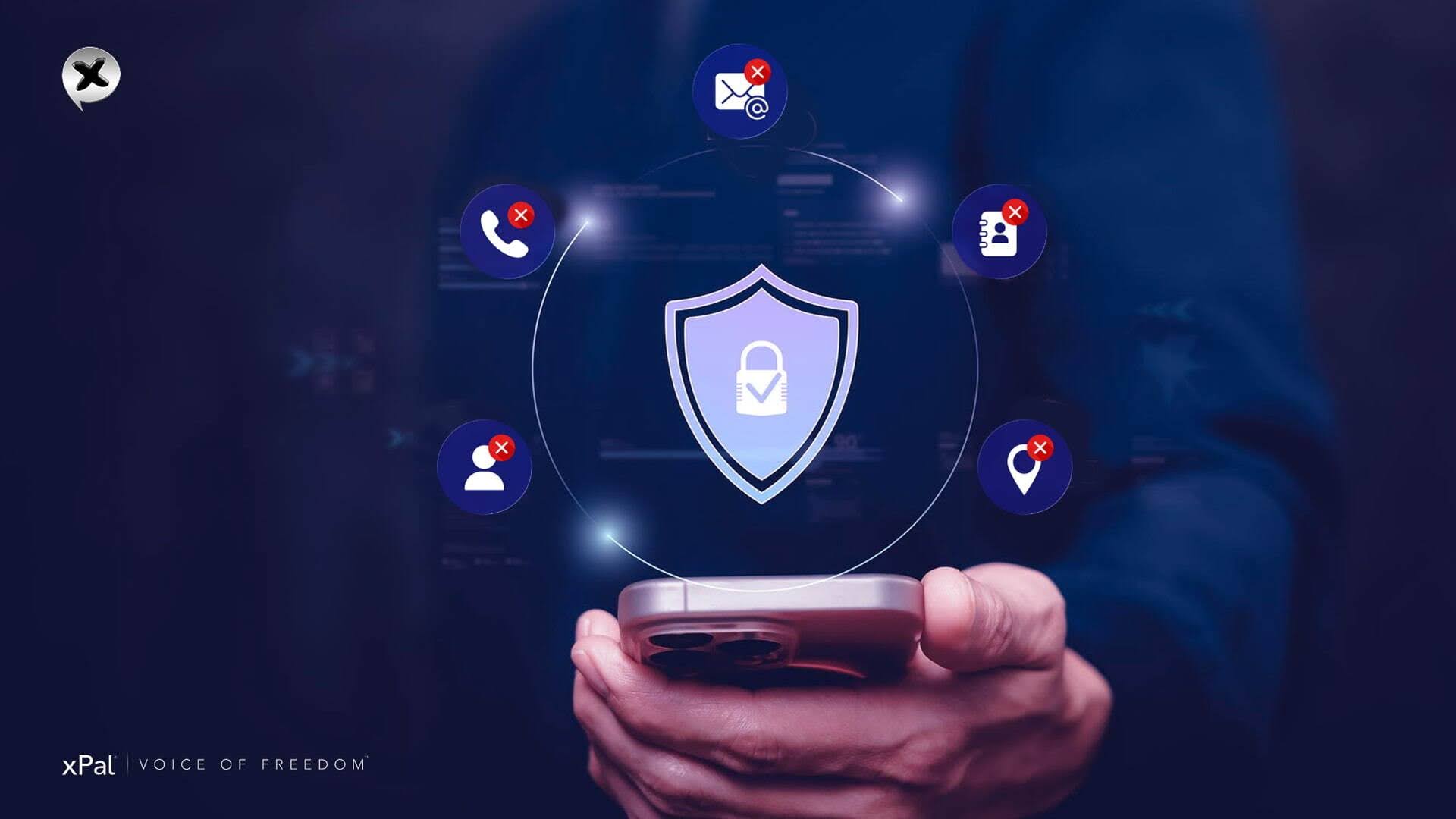
You gave personal identifiers on signing up, your media, files, location, camera, and a lot is under the permission of the app.

What most people don’t see is the quiet exchange happening in the background: the app data collection. You get convenience, and in return, the app collects personal info and data to improve, personalize, and sustain its service.
According to Proton,
“Many Big Tech companies make revenue by collecting user data and using it to build detailed profiles of individual behavior. This information allows them to deliver highly targeted advertisements to users, which advertisers rely on to increase engagement, sales, or even influence opinions. In this model, user data becomes a key asset that helps refine how content and ads are presented across apps and websites.”
This is not inherently harmful. In many cases, it is how modern apps function, and to some extent, we see people seem to be okay with this exchange and app data collection. The real issue is understanding what is collected, why it is collected, and where your control begins and ends.
Many things depend upon user choices and research on how they can sustain well in the digital ecosystem.
What Kind of Data Apps Actually Collect?
According to Harvard Business Review,
A recent IBM study found that 81% of consumers report being more concerned about how their data is used online. However, most users continue to share their data online and tick consent boxes impatiently, giving rise to a “privacy paradox,” where users’ concerns are not reflected in their behaviors. This shows a significant challenge for regulators and companies as they try to manage the future of data governance.
Most apps don’t collect “everything.” They collect specific categories of data or personal info depending on how they work.
-
Location Data
Apps like maps or ride services clearly need your location. But even other apps, like a private chat app, may request it to:
- Show content that is relevant to your area
- Suggest things you might like based on where you are
- Display ads that match your location and interests
According to Google,
Google determines your location using different types of data depending on the products you use and the settings you choose. This includes real-time signals like your IP address or device location, as well as saved activity from your interactions with Google services.Furthermore, a 2021 investigation by The Markup found that many popular apps shared location data with third parties, even when users did not actively use location features.
-
Communication and Activity Data
Secure messengers and social apps keep track of how you use them. For example, they notice who you talk to, how often you send messages, and which features you use the most, and this is also app data collection. This kind of information is called metadata, and it usually does not include the actual message itself, but it can still show patterns about your activity and behavior.
For example, Meta Platforms states that WhatsApp uses end-to-end encryption for messages, meaning the content of messages is not accessible to the company. However, metadata such as timestamps and interaction patterns may still be collected for service functionality and security.
End-to-end encryption alone does not protect from all forms of potential privacy threats.
-
Browsing and Interaction Data
According to Forbes,
70% of mobile apps share your data with third parties.When you use a private chat app, other apps, or websites, they can record things like which pages you visit, how long you stay on them, and what you click on.
Why Do Applications Collect Data?
Advertising
One of the main reasons for app data collection is to support advertising, which helps keep many services free to use.
Companies use this data to:
- Show ads that are more relevant to you
- See which ads are working and which are not
- Avoid showing things you are not interested in
In simple terms, your private chat app data or personal info helps apps decide what kind of ads you see instead of showing random ones.
According to Meta Platforms,
We support a business model where ads help keep services free for everyone. This means people can use platforms like Facebook and Instagram without paying, and in return, they see ads that are tailored to their interests, which can help them find products and brands that are more relevant to them.
Product Improvement
Usage data helps companies understand what features people use, where users face issues, and how to improve performance. This is a standard practice across the industry and companies.
Security and Abuse Prevention
Apps also use data or personal info to keep things safe. For example, they use it to spot unusual activity, block spam or scams, and keep the platform running properly. Without collecting some data, many of these safety features would not work.
The issue is not just that data is collected; the point is how it is used and handled. Some possible risks include:
- Personal information is getting exposed in data breaches.
- Data is being shared with other companies without you fully realizing it.
- Long-term tracking that builds a detailed profile about you.
A real example is the Facebook–Cambridge Analytica data scandal, where data collected for one purpose was later used in ways people did not expect.
Clearly, users don’t give personal data for use for certain reasons or profit; it solely belongs to them.
Private Messaging App: How to Stay Safe from Apps That Collect Your Data?
You don’t have to stop using apps. The point is to limit how much data you share while still using them normally. It is not about avoiding technology because in this age, that would not be sensible.
Small changes can make a real difference, like checking app permissions, turning off features you don’t need, and being a bit more mindful about what you allow.
-
Review App Permissions Carefully
Before allowing any app access, take a moment to see what it is asking for.
- Check which permissions it requests
- Ask yourself if it is really necessary
For example, a simple app should not need access to your contacts or location unless it clearly depends on it.
-
Block Cookies and Trackers
You can also reduce tracking by managing cookies and trackers in your browser. These are used to follow your activity across websites.
To limit this, you can:
- Clear your browsing history and cookies regularly
- Adjust browser settings to block tracking
- Use tools that stop trackers automatically
-
Use Secure Messengers and Apps
If privacy is a priority, look at how a service is structured. It is important to pay attention to the apps you use, especially messaging apps. Many apps collect personal information, so it is better to choose ones that do not ask for data and have the strongest privacy measures.
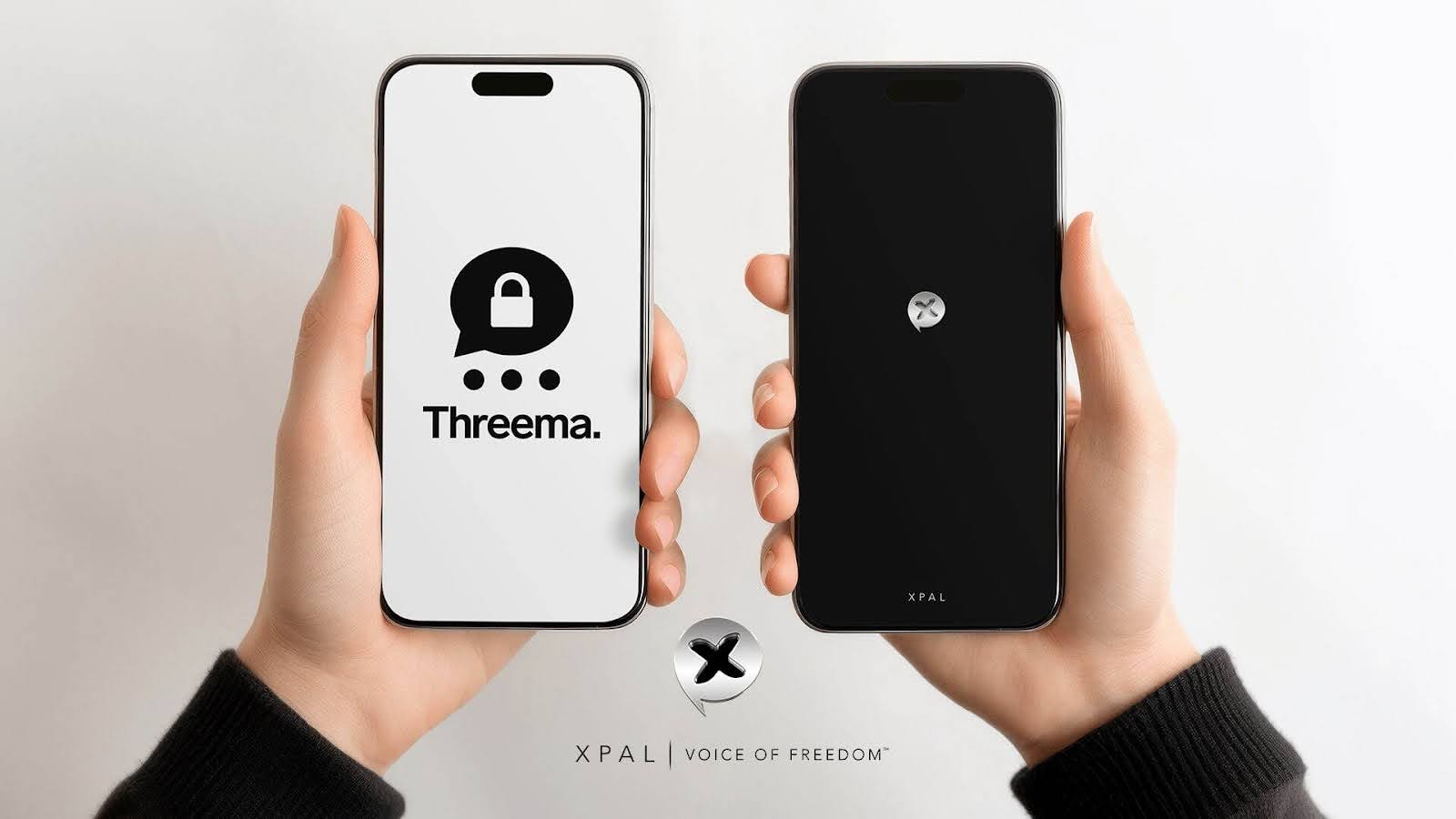
A good approach is to use apps that focus on privacy and security, like xPal secure messenger, which is designed to keep user information private by not asking for details like your real name, phone number, or contacts. It also encrypts your messages so only you and the person you are talking to can read them.
It doesn’t store your conversations on its servers, and it removes extra details (like hidden data in media files) that could reveal information about you or your device.
xPal patent-approved technologies are addressing potential privacy threats physically and remotely. There are no ads or third-party involvement as well.
The idea is not just to switch apps blindly, but to understand how different apps handle your data and choose the ones that give you more control over your privacy. Private Messaging App and app-level privacy controls are extremely important.
FAQs
1. What is a private messaging app?
It is a messaging app designed to let you communicate with others while minimizing how much personal info and data it requires.
2. What does end-to-end encryption mean in messaging apps?
It means only you and the person you are chatting with can read the messages, not the app or any third party.
3. Do secure messenger apps still collect data?
Some do, but a secure messenger like xPal has no app data collection policy and protects user privacy as much as possible.
4. What personal info do private chat apps usually ask for?
Many apps may request details like your phone number, email, contacts, or device information to create and manage your account.
5. Can I use a private messaging app without sharing my phone number?
Yes. xPal allows account setup without requiring a phone number or any personal data.
6. Why do apps collect personal info at all?
Personal info is often used for account setup, security verification, and improving app functionality, or even shared with third parties for business purposes.
7. Does end-to-end encryption protect my personal data too?
It protects message content, but personal data handling depends on how the app manages account data and app data collection. It is better to choose an app like xPal private chat app that does not ask for data or collect it.
8. Is app data collection the same across all messaging apps?
No, different apps collect different levels of data depending on their privacy policies and features.