How AI-Generated Messages Are Changing Scams in 2026 and How to Stay Protected
Artificial intelligence has made communication faster, smarter, and more convenient. But it has also given scammers a powerful new way to trick people.
In 2026, fake messages no longer look fake. They sound natural, feel personal, and often come with the exact sense of urgency that makes people click before they think. A message that once would have been easy to ignore can now look like it came from a real colleague, friend, bank, or service provider.
That is why this topic matters right now. Scam attempts are becoming more convincing, and people are losing money, data, and trust because of it. The good news is that you can protect yourself if you understand how these attacks work and choose the right communication tools.
If you want stronger privacy, safer conversations, and better control over your personal information, this guide is for you.
Why AI Scams Are Rising So Fast
AI has lowered the effort needed to create believable messages. A scammer no longer needs perfect grammar or a polished fake profile. With AI, they can generate a message that feels human in seconds.
They can also copy tone, writing style, and urgency. That means a fake request for money, a bogus login alert, or a suspicious file can look very real. This is one reason end-to-end encryption chat matters so much today. When your messages are protected properly, it becomes much harder for outsiders to intercept or manipulate them.
Another major concern is that many people still use platforms that depend on phone numbers, shared contact lists, and cloud-based message storage. That creates more exposure than most users realize. In a world where scams are becoming smarter, privacy-first communication is no longer optional.
5 Clear Signs a Message May Be Fake
- It creates pressure immediately: Scammers often want you to act fast. They may say your account is locked, your payment failed, or your boss needs something urgent.
- It asks for personal details: If a message asks for your password, verification code, or banking information, treat it carefully.
- It comes from a known name but an unusual account: A familiar name does not always mean a safe sender. The profile, number, or email may still be fake.
- It uses strange links or attachments: Bad links and suspicious files remain one of the easiest ways to steal data.
- It feels slightly off: Even when the spelling is correct, the message may still sound unnatural. Small details matter.
These warning signs are why anonymous messaging is becoming more important for people who care about privacy. If your identity is exposed across multiple apps, it becomes easier for scammers to build a profile and target you.
How Scammers Use AI to Gain Trust
The biggest advantage scammers gain from AI is speed. They can send thousands of highly personalized messages without sounding robotic. They can also test different wording to see what people respond to most.
This is especially dangerous in workplaces and family groups, where people often trust messages from familiar names. One convincing message in a secure group chat can create confusion fast if the platform itself is not built to protect users properly.
AI can also be used to imitate style. That means a message may sound like your manager, your coworker, or even a family member. The goal is not just deception. The goal is to create enough trust for you to respond without questioning it.
What Safe Messaging Should Actually Look Like
A secure messaging platform should do more than just send texts. It should protect identity, metadata, and conversation history.
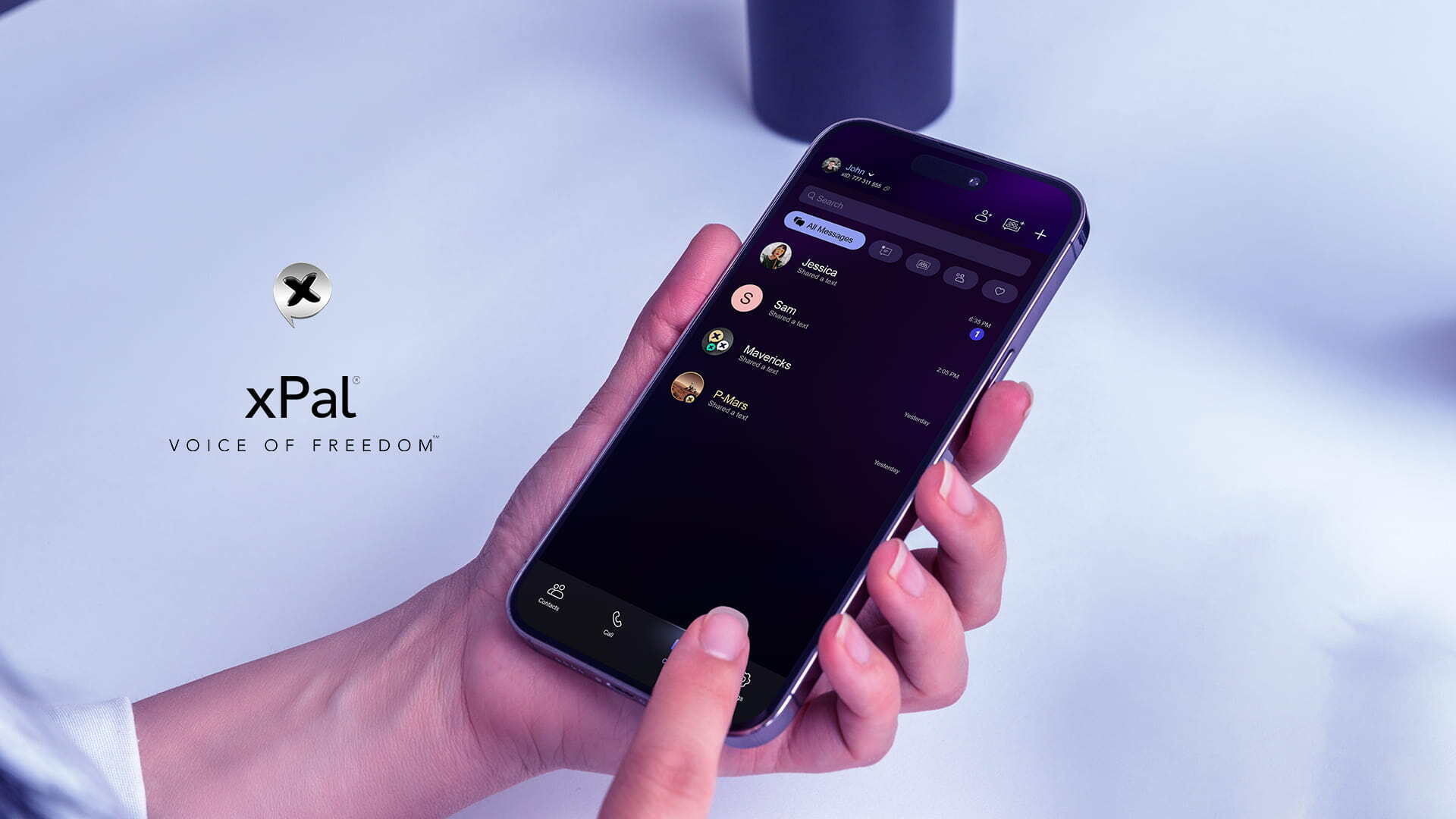
That is where xPal stands out. It is designed for people who want privacy without complexity. With end-to-end encryption chat, only the sender and recipient can access the message content. That reduces the chance of outside exposure and helps keep conversations private.
xPal also supports anonymous messaging, which means you do not need to give away your phone number or personal identity just to communicate. This is valuable for anyone who wants stronger control over who can reach them and how.
And for teams, communities, or families, secure group chat matters because group conversations often contain sensitive information. When group security is weak, one compromised person can put everyone at risk.
Visit xPal to learn more about secure private communication.
6 Ways to Protect Yourself From AI-Driven Scams
- Verify before you respond: Never trust a message just because it looks familiar. Always confirm through another trusted channel.
- Avoid sharing personal data in open apps: The less personal information you reveal, the harder it is for scammers to target you.
- Use privacy-first messaging tools: Choose apps that prioritize security, not just convenience.
- Protect your group conversations: Use secure group chat platforms that keep conversations limited to the right people.
- Keep your identity separate from your communication: This is where anonymous messaging becomes useful. It reduces the connection between your personal identity and your chats.
- Choose real encryption: Not every app that claims privacy delivers it. Look for true end-to-end encryption chat so only the intended people can read your messages.
Why xPal Fits the Privacy Needs of 2026
xPal was built for people who want a simple but stronger level of communication privacy. It avoids the common risks that come with identity-heavy messaging apps and keeps the focus on secure conversation.
It is especially useful for users who want:
- private conversations without phone-number exposure
- safer group communication
- better control over message access
- reduced risk from metadata leakage
- a cleaner privacy experience
This makes it a practical option for everyday users, professionals, and anyone who wants to communicate with more confidence. In a time when digital scams are growing more convincing, tools like xPal are becoming much more relevant.